Story IP Explained: Stunning Guide to the Best Rights
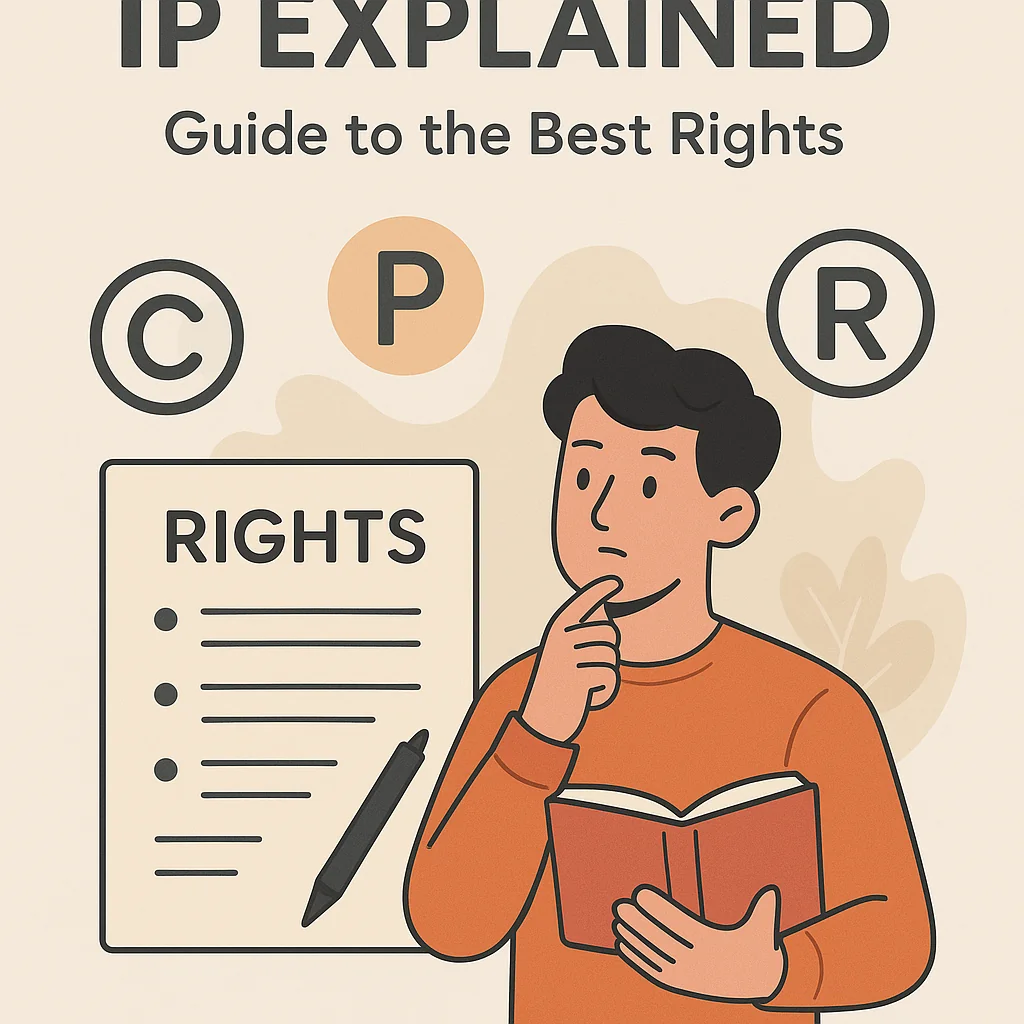
Story IP, short for story intellectual property, is the creative core that sits behind a book, film, game, series, comic, or podcast. It covers the original characters, settings, plot ideas, and story rules that make one fictional universe different from another.
Studios, publishers, and platforms invest heavily in strong story IP because it can live for decades, move across formats, and keep building new audiences. Understanding what story IP is, and how it works, helps both creators and companies make better decisions about content, rights, and long-term value.
Basic Definition of Story IP
Story IP is a type of intellectual property that focuses on narrative elements. It is the combination of story concept, characters, world, and tone that forms a protected creative work. Copyright law usually protects the specific expression of the story, while trademarks can cover things like logos, titles, and character names.
Story IP does not just mean one book or one episode. It often points to a larger story universe that can support sequels, spin-offs, and adaptations. For example, “Harry Potter” is not just a set of novels; it is a story IP that now spans films, games, stage plays, merchandise, and theme parks.
Key Elements of Story IP
Strong story IP usually rests on a clear group of elements that work together. These elements make the story feel unique and easy to recognise, even when it moves to a new format or medium.
1. Core Premise
The premise is the main idea that powers the story. It answers questions like: What is this about? What makes it different? A simple example: “A young wizard discovers he is famous in a hidden magic world and must face a dark villain” is a premise that supports many plots across many books and films.
A sharp premise helps producers and marketers explain the story in a single line. If a stranger can remember that line the next day, the premise is usually strong.
2. Characters
Characters are often the most valuable part of story IP. Fans attach themselves to heroes, villains, sidekicks, and even background figures. Iconic characters can carry new plots for years because audiences want to follow their choices and conflicts.
Think of a detective with a strange method, a young pilot with a secret past, or a robot who wants to be human. Each of these can become the centre of a story IP if they feel distinct and consistent across works.
3. Story World
The story world is the setting plus the rules that shape it. This includes geography, cultures, technology level, and any special systems like magic, superpowers, or advanced science. A rich world gives writers room to tell many stories inside one IP.
A single city with strict social rules, or a galaxy split between rival factions, creates different types of tension. Once those rules are clear, fans enjoy spotting how new plots still respect the same logic.
4. Tone and Themes
Tone covers how the story feels: light, dark, playful, gritty, hopeful, or tragic. Themes are the deeper ideas under the plot, such as friendship, justice, power, or freedom. Story IP with a stable tone and recurring themes often builds a more loyal audience.
For instance, many superhero IPs return to themes of responsibility and identity. Crime series might centre on truth, guilt, and moral grey zones. Consistent tone and themes make spin-offs feel like part of the same fictional family.
Why Story IP Matters
Story IP is much more than a single hit product. It forms a long-term asset that can generate income across many formats and years. This is why companies speak about “owning IP” rather than just “owning a show.”
For creators, a recognisable story IP can become a career anchor. For businesses, it offers repeatable value with lower risk once the audience is in place.
Main Benefits of Strong Story IP
Several practical benefits push studios, game companies, and publishers to invest in story IP instead of one-off projects.
- It supports sequels and spin-offs with built-in audience interest.
- It makes licensing and merchandising deals more attractive.
- It increases brand recognition across regions and platforms.
- It allows cross-media storytelling, such as books, series, and games in one universe.
A simple crime show may end after one season, but a gritty, character-driven police universe can support new squads, cities, and formats, all tied back to the same story IP.
Examples of Story IP in Action
Story IP shows up in almost every corner of popular culture. Some brands grow from a single work; others start as a cross-media plan from day one.
Fiction Series
Novel cycles like “A Song of Ice and Fire” or “The Expanse” begin as book IP. Once they reach enough readers, they expand into TV series, games, board games, and licensed products. The original written work is the base, but the story IP stretches much wider.
In many cases, new scenes, side stories, and prequels appear only in the adapted formats. These still sit inside the same IP, as long as they use the core characters, world rules, and themes.
Games and Transmedia IP
Some modern story IP starts inside video games or mobile games. A narrative-heavy game with memorable characters can grow into animation, comics, or audio dramas. The original game builds the fan base, and the IP expands as those fans ask for more stories.
Pokémon is a classic example: it began as a game concept, then moved into anime, films, cards, toys, and apps, all driven by the same basic story about partnership between humans and creatures with special powers.
How Story IP Works Across Formats
Story IP moves through a cycle: creation, adaptation, and expansion. Each stage adds new material but refers back to the same narrative DNA. The table below shows how this looks in practice.
| Stage | Format Example | Main Focus |
|---|---|---|
| Original Creation | Novel, indie game, short film | Define core premise, characters, and world |
| Adaptation | Film, TV series, graphic novel | Retell main story for a new medium |
| Expansion | Spin-off series, prequel, mobile game | Add new stories inside the same universe |
Each format has its own strengths, but they all feed into a shared story memory in the audience’s mind. A fan might meet the IP first through a game, then read the books to learn more about side characters.
Legal Side: Protecting Story IP
Story IP depends on legal tools. Without protection, it is easy for others to copy ideas and profit from them. Two main legal areas usually apply: copyright and trademark.
Copyright
Copyright protects the original expression of the story. This means the specific text, script, artwork, and other fixed creative output. Copyright does not protect raw ideas or short phrases but does protect detailed plots, character arcs, and dialogue.
For example, “a young person goes on a journey” is too broad to protect. A complete story about a specific farm boy, his mentor, a named empire, and named locations is protected as written or filmed.
Trademark
Trademark protects elements that identify the source of the work. This includes series titles, logos, and sometimes character names or catchphrases. Trademarks help prevent others from releasing confusingly similar products that ride on the same brand.
A clear title logo on a game box or book cover can be a powerful sign of IP ownership, because it tells shoppers that this product belongs to a certain story universe.
How to Build Strong Story IP
Building story IP is more than writing a single plot. It means thinking ahead about how the world, characters, and themes can support many stories. Creators who treat their work as IP from the start often lay stronger foundations.
The steps below show a simple, practical way to shape story IP, whether for a novel, a pilot, a comic, or a game.
- Define a clear, memorable one-line premise.
- Create characters with strong goals, fears, and flaws.
- Map a world with rules that limit and shape conflict.
- Decide on tone and key themes to keep consistent.
- Plan short-term plots and long-term arcs inside the same universe.
- Document names, timelines, and rules in a simple story bible.
- Secure contracts that clarify who owns what part of the IP.
Working through these steps early does not remove creative freedom. It gives a solid spine, so new ideas can grow from the same base without breaking what came before.
Common Mistakes With Story IP
Many projects start with strong energy but fade because the IP itself is weak or unclear. Avoiding a few simple traps can save trouble later.
- Relying on plot twists instead of building a deep story world.
- Changing tone too sharply between entries, which confuses fans.
- Creating many spin-offs before the core story finds its audience.
- Failing to agree on IP ownership in contracts between partners.
A clear agreement on rights and a stable creative vision make it easier to grow an IP over years without losing focus or ending up in legal disputes.
Why Story IP Matters to Different People
Writers care about story IP because it can protect their voice and help them earn from adaptations. Producers care because a strong IP reduces risk and can hook investors. Fans care, even if they never use the term, because a clear IP means more stories in the same world they love.
In simple terms, story IP is the shared language between creators, businesses, and audiences. It explains what a story universe is, who owns it, and how it can grow across books, screens, and games without losing its identity.